
A few months ago, I published an in-depth review of the XR year 2025 on my YouTube channel and shared my thoughts on where Virtual Reality, Mixed Reality, and Smart Glasses might be heading in the years ahead. Many of the topics discussed in that video are still relevant today, as they highlight technological trends that were already beginning to emerge at the time.
This article revisits and summarizes the key ideas and observations from that video.
2025 Was Not a Year of Standing Still
Anyone who has been following VR for a longer period will probably agree that rarely have so many new headsets been released or announced within a single year. Between standalone devices, high-end PCVR systems, and mixed reality platforms, there were times when the market even seemed close to saturation.
At the same time, this development also demonstrates that Virtual Reality is far from disappearing. While VR has still not reached the mass-market adoption that many expected a few years ago, it has established itself as a technology sector in its own right. Growth is no longer driven solely by traditional VR headsets, but increasingly by adjacent fields such as Mixed Reality, Spatial Computing, and AI-powered smart glasses.
Meta and the Standalone VR Market
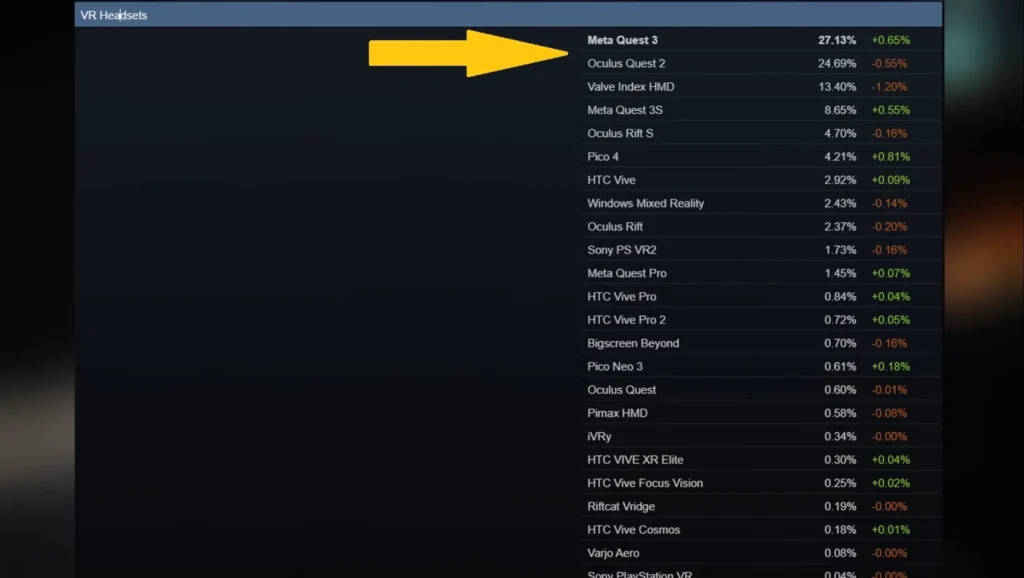
Meta remained the dominant player in the standalone headset market throughout 2025. With the Quest 3 and the more affordable Quest 3S, the company continued to shape a large portion of the VR industry. A look at the Steam Hardware Survey highlighted just how strongly Meta headsets had established themselves even within the traditional PCVR space.
After opening its Horizon OS platform to third-party manufacturers, there was a period when it seemed possible that Meta might gradually step back from hardware development. However, a Quest 4 did not materialize. Instead, the company’s focus shifted more visibly toward artificial intelligence and smart glasses.
At the same time, Meta continued to expand its software ecosystem. Features such as Gaussian Splatting now make it possible for users to meet and interact inside highly detailed 3D scans of real-world environments. As a result, the boundaries between Virtual Reality and Mixed Reality are becoming increasingly blurred.
Despite competition from companies such as Pico, Meta remained in a strong position, largely because of its software ecosystem. Hardware alone is no longer enough. The success of a platform is increasingly determined by its applications, content, and overall ecosystem.
Pancake Lenses as the New Standard
From a technological perspective, 2025 likely marked the final departure from Fresnel lenses in the consumer market. The Quest 3S was more of an exception than a reversal of the trend. Pancake lenses enable smaller, lighter headset designs and have now established themselves as the new standard. Nearly all new high-end devices rely on this technology.
Mixed Reality and Spatial Computing
When discussing high-end XR, it is impossible to ignore the Apple Vision Pro. With the term Spatial Computing, Apple introduced a new way of thinking about Mixed Reality. Rather than positioning the device primarily as a gaming headset, Apple presented it as a standalone computer for entertainment and productivity. The combination of high-resolution Micro-OLED displays, eye tracking, and gesture-based interaction set new benchmarks for image quality and usability. Although its high price limited widespread adoption, Apple clearly helped define the direction of future developments.
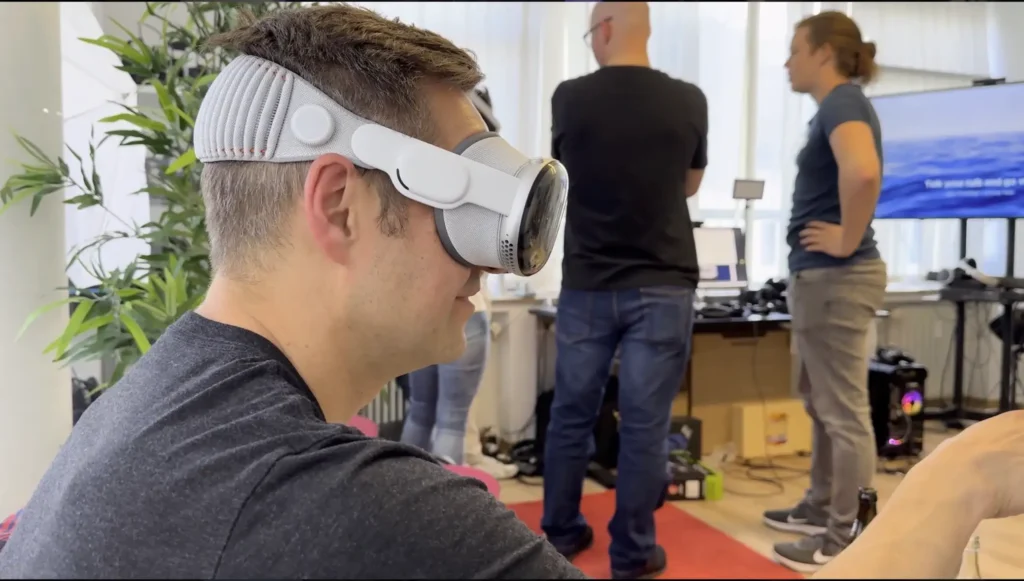
Another interesting device to enter the European market in 2025 was the Play For Dream MR. Due to its obvious similarities, it was often described as a Vision Pro clone. In reality, it adopts many of the same design and interaction concepts while targeting a significantly lower price point. What made it particularly interesting was its openness toward PCVR applications and technologies such as foveated streaming, making it attractive not only for productivity use cases but also for traditional VR enthusiasts.
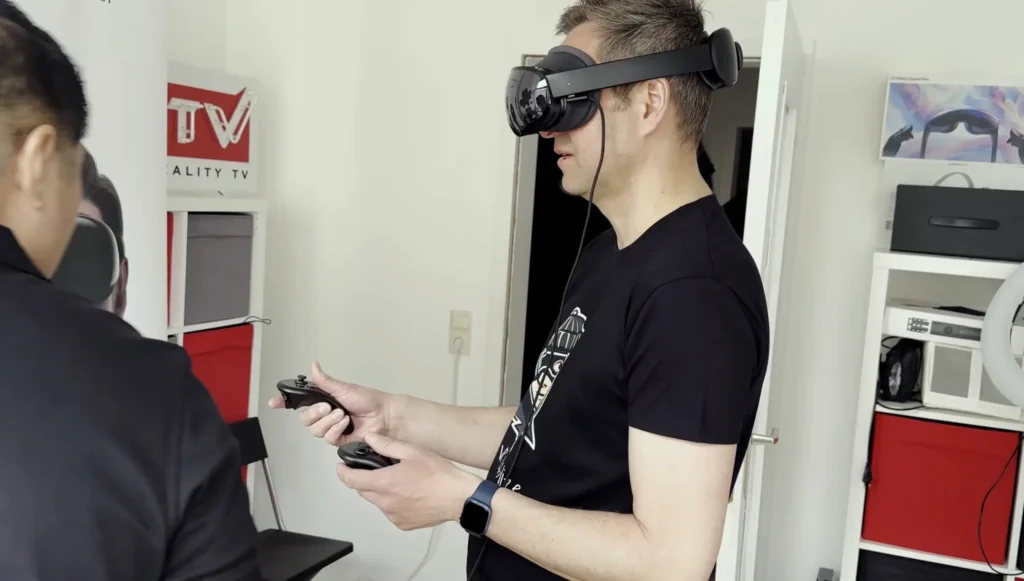
Toward the end of the year, Apple introduced the second generation of the Vision Pro. While the overall concept remained largely unchanged, the new M5 processor delivered a significant performance boost. Apple continued to follow its long-term strategy of establishing Mixed Reality as a fully fledged computing platform.
Samsung and Android XR
With the Galaxy XR headset, another major technology company entered the XR market at the end of 2025. At the same time, Android XR launched as an open platform capable of leveraging the existing Android ecosystem and the Google Play Store.
Particularly intriguing is the close integration of Google Gemini. Here, AI is not treated as a simple add-on feature but as an active companion that supports users throughout their experience. Demonstrations showing Gemini providing contextual assistance during gameplay, for example, hinted at entirely new ways of interacting with XR applications and digital content.
The State of PCVR
The traditional PCVR market in 2025 continued to be defined primarily by high-end wired headsets. Mixed Reality still played only a minor role in this segment.
With the Beyond 2, Bigscreen introduced the next generation of its ultra-compact headset. Micro-OLED panels, pancake lenses, and optional eye tracking deliver impressive image quality. At the same time, however, the familiar limitations of this design remain. The field of view is still relatively small compared to larger PCVR headsets.
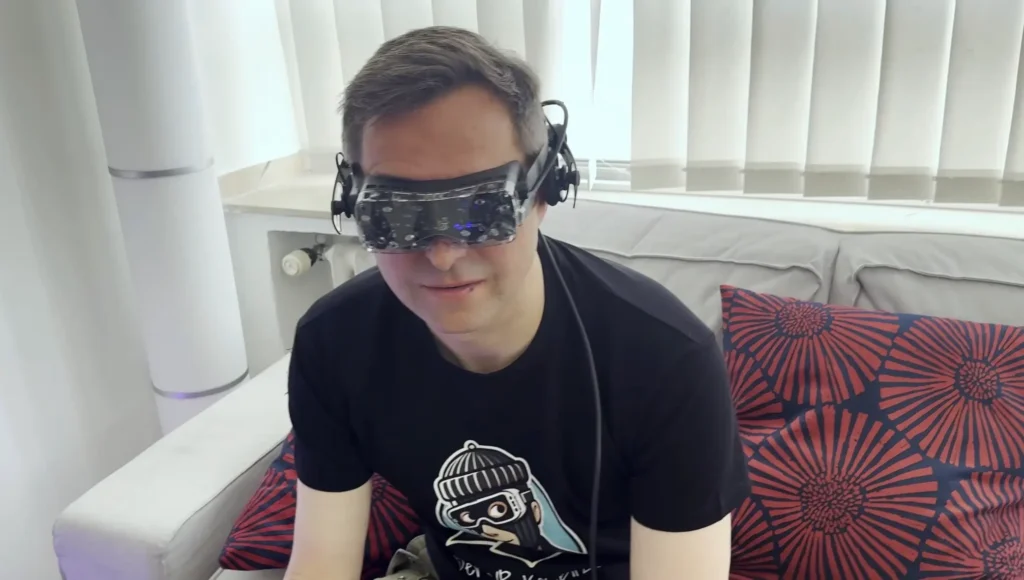
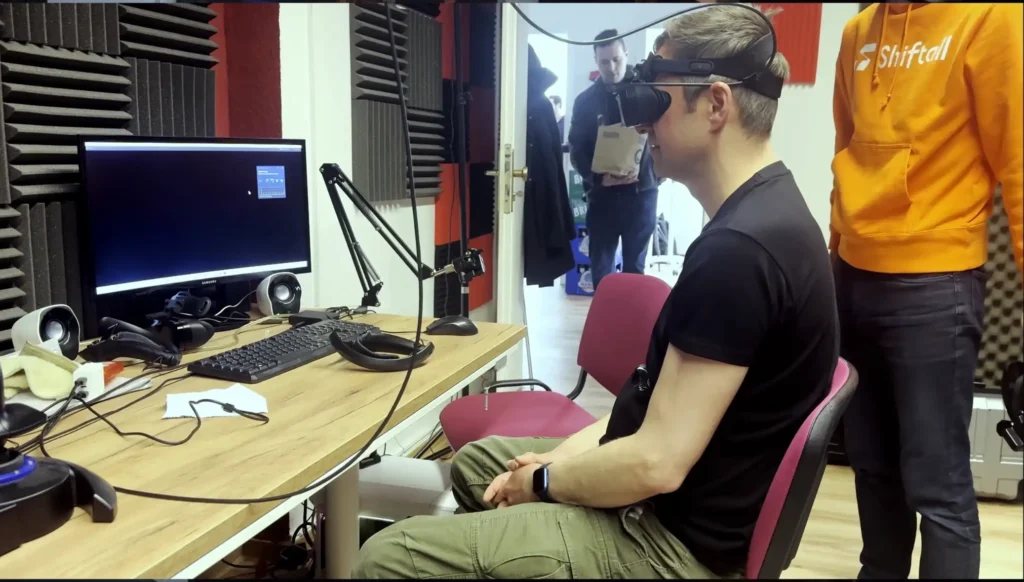
Shiftall’s Meganex Superlight 8K follows a similar approach. Image quality was highly impressive, but the limited field of view remained one of the biggest challenges facing compact pancake-based systems.
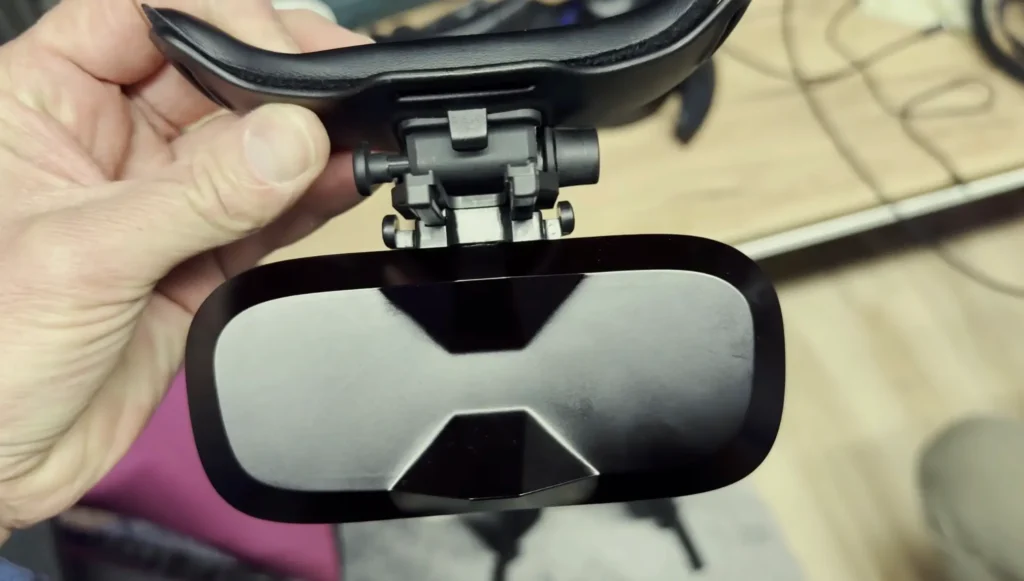
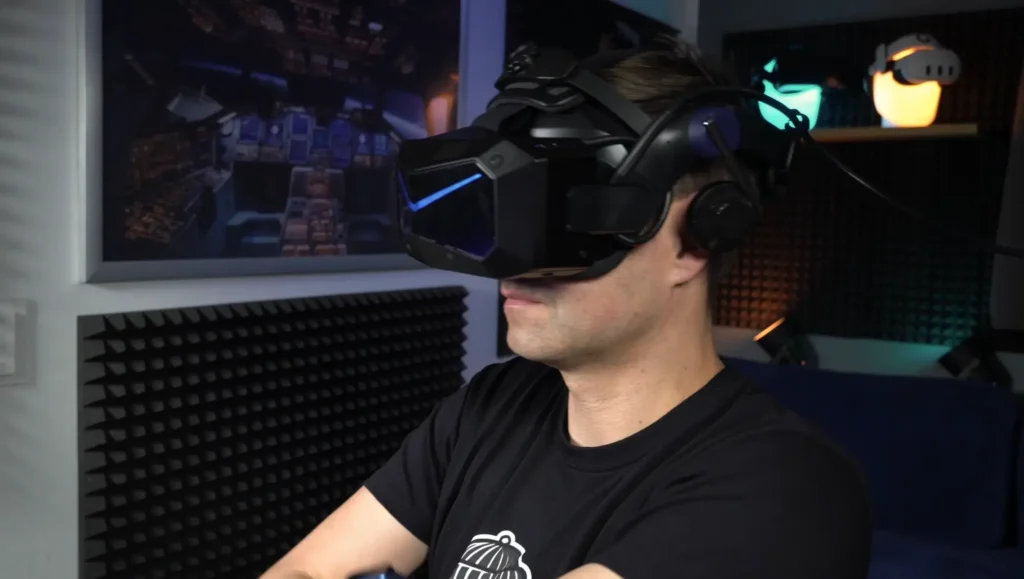
Pimax, on the other hand, pursued a different strategy. With the Pimax Crystal Super, the company introduced a modular concept that allows users to swap between different optical modules. Depending on their preferences, users can choose from various display and lens combinations, including traditional glass lenses or Micro-OLED modules featuring pancake optics. Particularly interesting was the development of a new pancake lens design intended to deliver an unusually wide field of view for this type of optical system. In many ways, the Crystal Super felt like a transitional generation on the path toward significantly more compact high-end PCVR headsets.
AI Glasses and Smart Glasses Gain Momentum
Alongside VR and Mixed Reality, one area in particular gained tremendous momentum in 2025: smart glasses and AI-powered eyewear.
What only a few years ago seemed like a niche product increasingly evolved into a product category of its own. China, in particular, saw the emergence of numerous new devices, many of which received little attention in Europe.
The greatest advantage of these systems lies in their practicality for everyday use. Many people have little interest in wearing a large VR headset or being completely isolated from their surroundings. Smart glasses, by contrast, promise digital assistance while allowing users to remain connected to the real world.
At this stage, however, technical limitations still stood in the way of that vision. Processing power, miniaturization, and battery life imposed significant constraints on what these devices could achieve. As a result, smart glasses felt more like a transitional technology than a true replacement for existing devices. They are not ready to replace smartphones yet, but they could fundamentally change their role in the long term.
Looking Ahead to 2026
From the perspective of late 2025, there were many signs that the development of AI-powered glasses would continue to accelerate. More and more devices were expected to feature integrated displays capable of presenting digital information directly within the user’s field of view.
Virtual Reality would likely remain a specialized niche for the foreseeable future. At the same time, that niche appeared more technologically exciting than ever.
Looking ahead to 2026, several new slim PCVR systems featuring Micro-OLED displays and pancake lenses were expected to enter the market. Pimax was working on such a concept with the Dream Air. There were also growing rumors that Valve was developing a new standalone device capable of combining wireless VR with high-performance PCVR streaming.
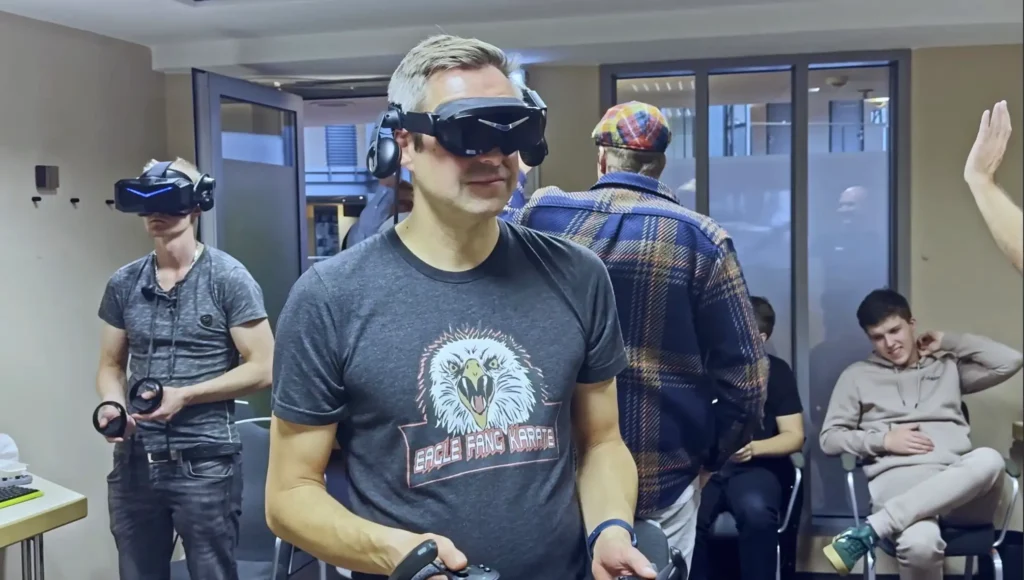
Meta was expected to shift its focus back toward new wireless headsets in order to remain competitive with Apple and Samsung. At the same time, indications were mounting that Pico was also working on a new generation of powerful mixed reality devices.
One of the most interesting questions remained whether Micro-OLED displays would become more affordable over the coming years and eventually find their way into lower-priced devices. Apple had already demonstrated the potential of this technology. Falling production costs could make it increasingly attractive for the broader consumer market in the long term.
Conclusion
This retrospective was originally created at the end of 2025 as a personal assessment of the XR market at that time. Even several months later, it remains interesting to look back and see which developments were already beginning to emerge and which expectations have since been confirmed—or may still come to pass.
XR does not evolve in a straight line. Virtual Reality, Mixed Reality, and AI-powered glasses are increasingly converging and influencing one another. VR will likely remain a specialized niche for the foreseeable future. At the same time, it continues to be one of the most fascinating areas of technology, constantly evolving and pushing the boundaries of what immersive experiences can become.