
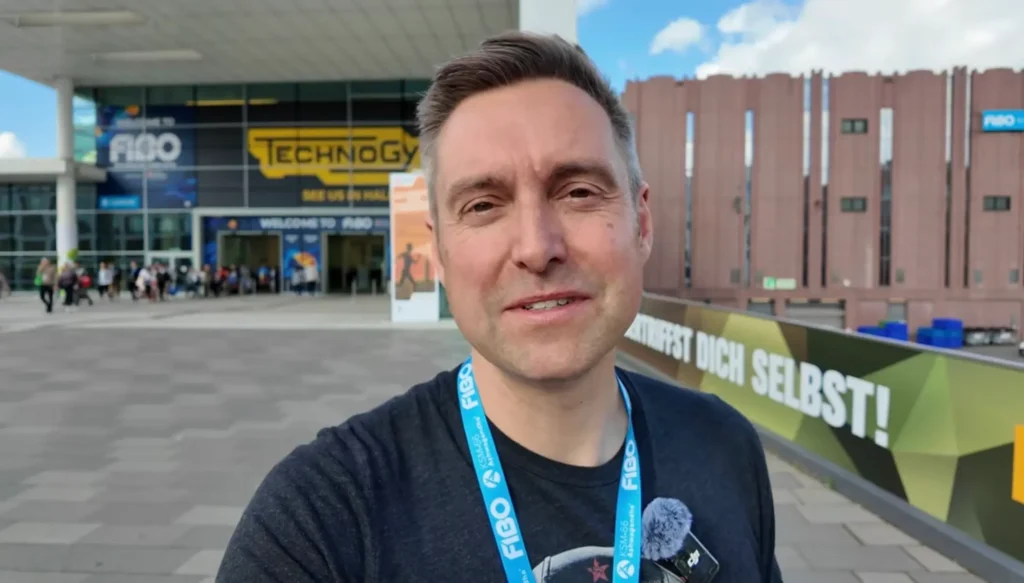
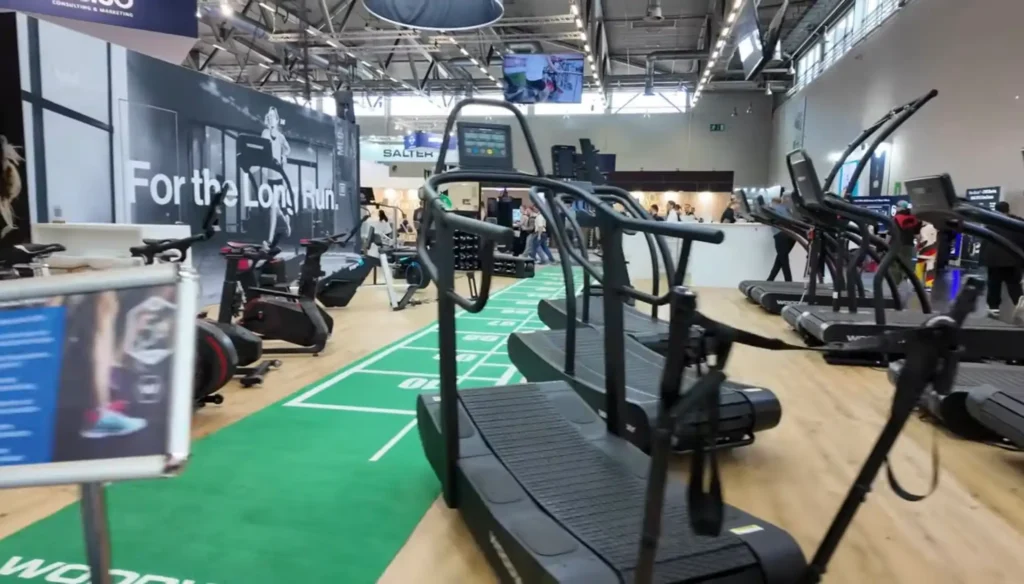
For many people, VR is mainly about headsets, resolution, controllers and games. At FIBO in Cologne, it quickly became clear that there is also a very different direction VR can take. Between traditional fitness equipment, treadmills and training areas, ICAROS invited me to try their systems for myself.
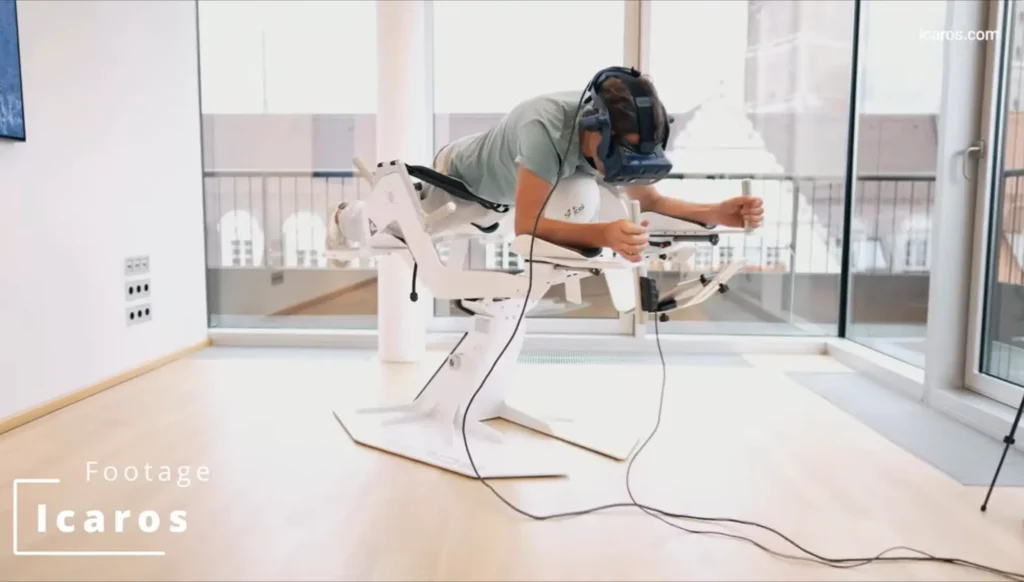
For years, ICAROS has been working on combining virtual reality with real physical movement. It is not just about fitness in the traditional sense, but also about balance, coordination, rehabilitation and the overall sense of body awareness inside virtual environments. Even at first glance, their booth felt noticeably calmer than many other areas of the exhibition. Less focused on showmanship and more focused on the actual experience itself. That matched exactly what interested me about the topic.
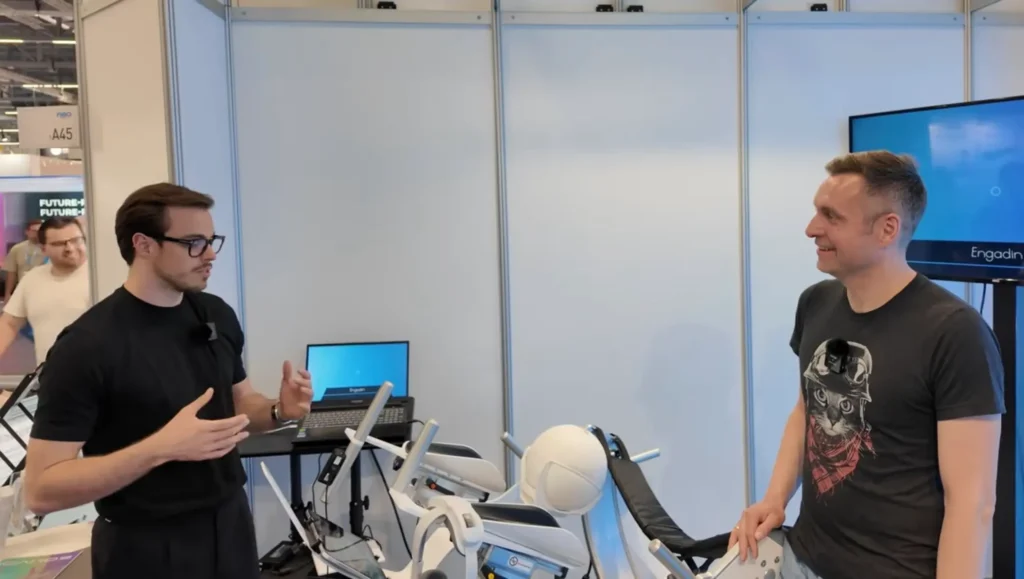
The demo was guided by Daniel Rühle, physiotherapist, sports therapist and Medical Sales Manager at ICAROS. The conversation was not only about the experience itself, but also about the background of the systems and their different fields of application.
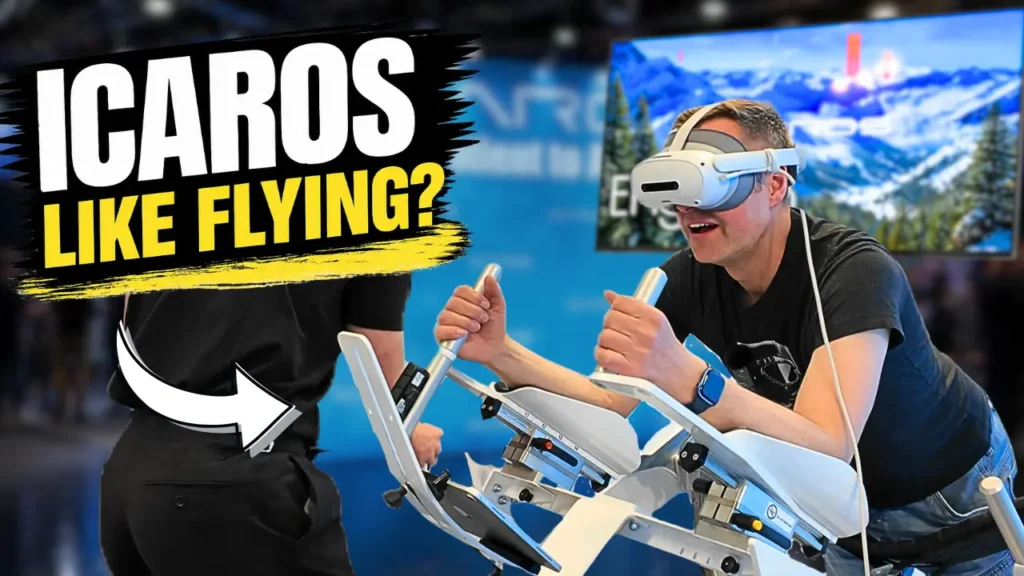
Experiencing VR with more than just your hands
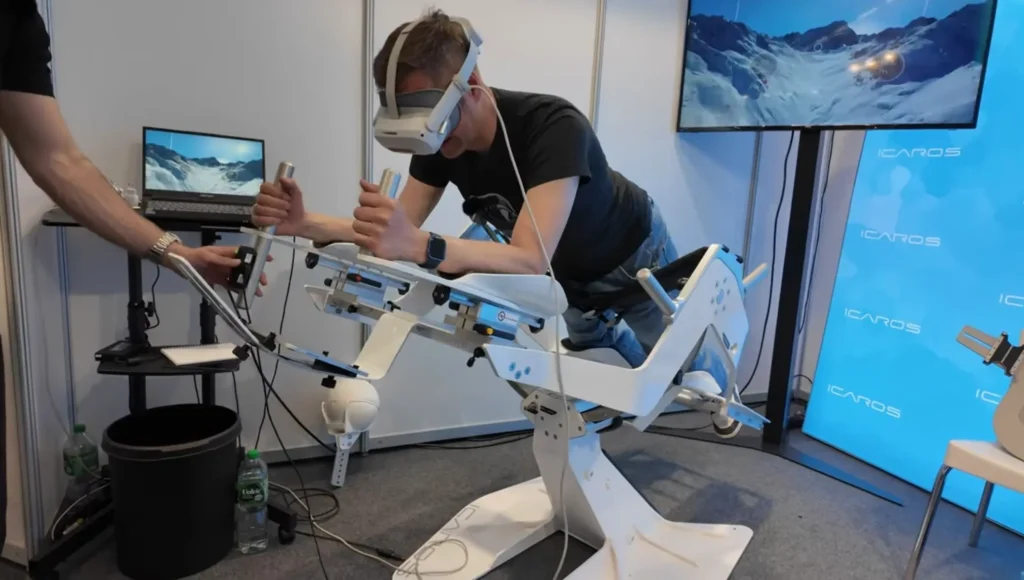
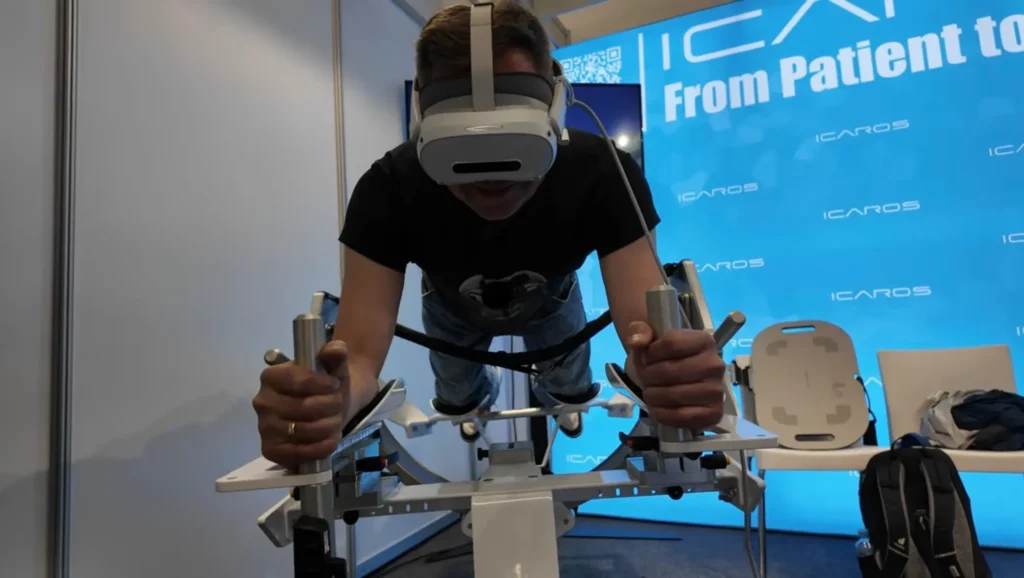
Many VR applications are still mainly focused on placing the user visually inside a virtual world. The body itself often remains relatively passive. ICAROS takes a different approach. The movement of your own body becomes a direct part of the control system. Weight shifting, body tension and balance immediately influence your behavior inside the virtual environment. This creates a much stronger sense of physical involvement.
In my case, this meant navigating through virtual landscapes while flying, with my body constantly trying to maintain stability and control. On paper, that may sound relatively simple, but in practice it feels surprisingly intense.
Somewhere between gaming, training and therapy
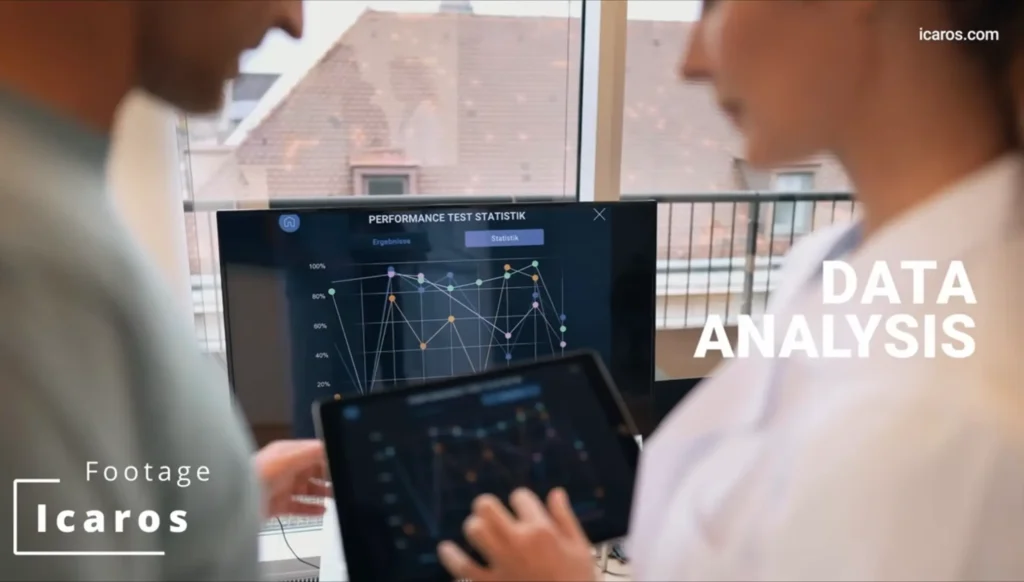
What I found particularly interesting was that ICAROS does not see these systems purely as fitness or entertainment products. The platforms are also used in therapeutic contexts. According to Daniel Rühle, areas such as neurology and orthopedics are especially relevant. The systems run through SteamVR in combination with their own software and several specially developed applications.
Some experiences are designed around more playful concepts, while others focus more heavily on movement, coordination or specific training exercises. There are also photorealistic environments based on locations such as the Dolomites, Berchtesgaden or the Engadin region. This combination of real physical movement and believable virtual scenery creates a very interesting sense of presence. The brain connects the physical activity much more strongly to what is happening visually.
The physical component changes the feeling of VR
One thing becomes obvious very quickly with systems like these: immersion is not primarily created through maximum resolution or extreme graphical quality. What matters much more is the active involvement of the body. When movement, balance and visual feedback align properly, a form of presence emerges that feels very different from simply sitting or standing inside VR.
Experiences like these are especially interesting to me right now because they show that immersion cannot simply be reduced to displays or field of view numbers. Many of the most intense XR experiences currently emerge where virtual content and real physical perception blend together more closely.
Not a typical gaming system
ICAROS does not feel like a traditional VR gaming product. The systems exist somewhere between fitness equipment, therapy tools, training platforms and immersive experiences. As a result, the target audience also differs somewhat from the audience of many typical VR headsets.
What makes concepts like this particularly interesting is the broader picture they suggest for the future of XR. Not just entertainment, but also healthcare, prevention, rehabilitation and body-oriented applications in general. Especially in therapeutic environments, the combination of motivation, movement and immersive feedback feels potentially very promising.
My impression after the demo
The demo was physically more demanding than I expected. Constantly balancing and maintaining body tension quickly makes it clear that this is real physical work and not just a virtual illusion. At the same time, that is exactly what creates a VR experience that feels fundamentally different from many traditional ones. Not because the technology looks more spectacular, but because your own body becomes a much more integral part of the experience.
That is probably also where systems like these become especially interesting: they show that the future of XR may not only depend on sharper displays, but perhaps even more on how convincingly digital content can be connected with real movement and physical perception.
You can also find the full video about the ICAROS demo at FIBO, including impressions from the show floor and my conversation with Daniel Rühle, on my YouTube channel.