
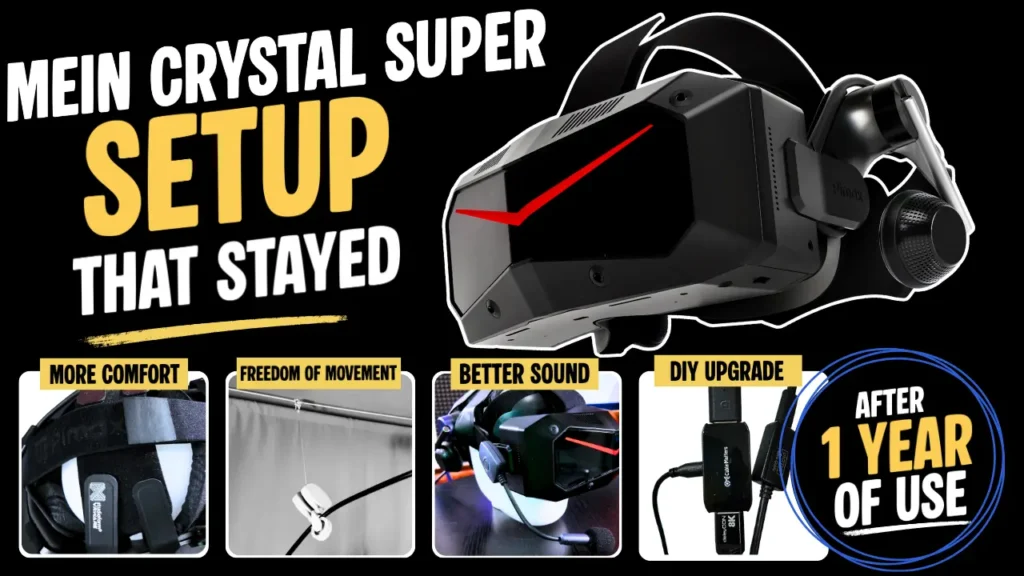
After nearly a year with the Pimax Crystal Super, my setup has settled into a configuration that works exceptionally well for me. I’ve tested plenty of accessories along the way, discarded some, and found a few upgrades that have earned a permanent place in my setup.
This article isn’t about software, OpenXR settings, or image quality. Instead, it focuses entirely on the accessories that have genuinely improved my day-to-day experience with the Crystal Super over the long term. Some of these upgrades are designed specifically for the headset, while others have become essential parts of my PCVR setup regardless of which headset I’m using.
How the Idea for This Video Came About
he idea for this video came about almost by accident.
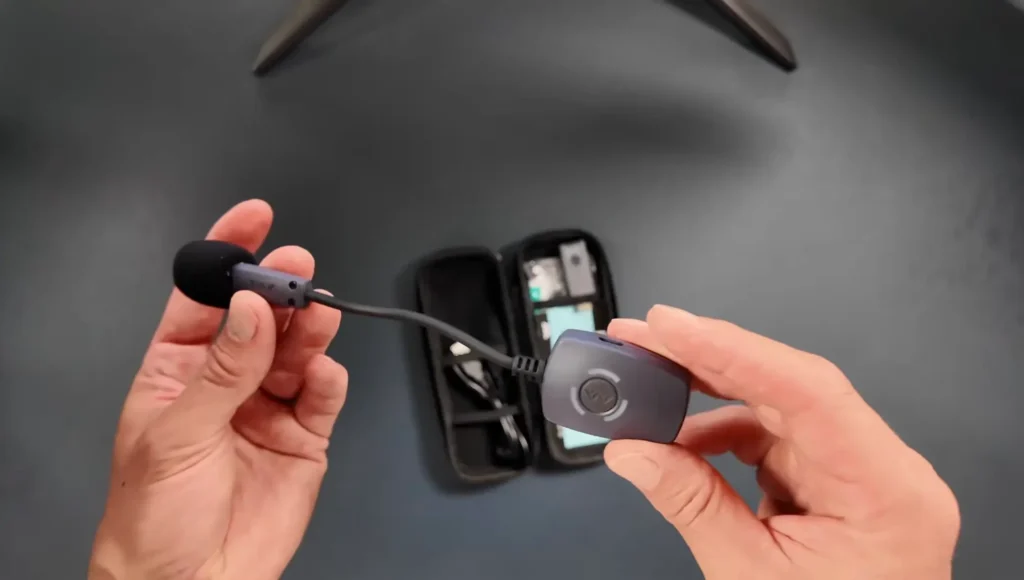
A few weeks ago, Joe from Antlion reached out and asked if I’d be interested in reviewing the ModMic Wireless. The funny thing was that I had already been using it regularly for quite some time, but I had never made a dedicated video about it. As I thought about it, I realized there were several other accessories that had quietly become permanent parts of my Crystal Super setup over the past few months.
So instead of focusing on a single product, I decided to take a look at the upgrades that have actually stood the test of time. That’s how this video came together—and this article is based on it.
More Comfort with Studioform Creative
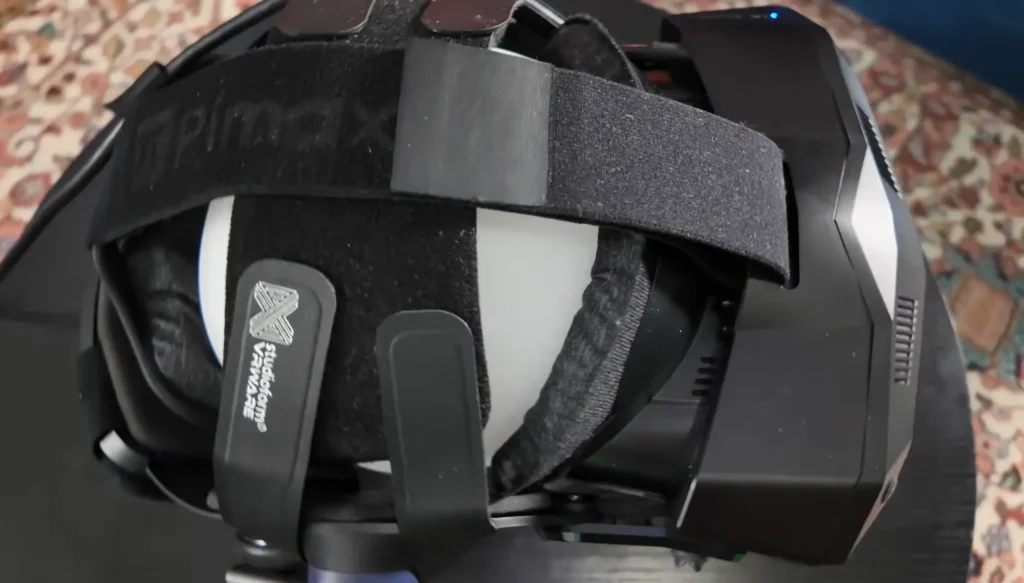
If you looked at my Crystal Super today, you could almost say it has been completely “studioformed.”
The original Pimax face cushion is perfectly usable, but during longer VR sessions the headset never felt quite right for my head. That changed significantly once I switched to the accessories from Studioform Creative.
The facial interface is available in either synthetic leather or fabric, and I particularly like that it comes with different spacers. These let you fine-tune the fit to match your own face shape. Small adjustments like these make a surprisingly big difference. The larger rear pad also spreads the pressure much more evenly across the back of my head, making the headset feel noticeably more stable and comfortable.
Looking for the Pimax Crystal Super?
Visit my Pimax Buying Guide for an overview of all current Pimax headsets, optical engines, recommended accessories, and the latest product links.
The accessory that still impresses me the most, however, is the Apache Strap. Unlike Pimax’s Comfort Top Strap, it doesn’t have a convenient adjustment dial. Instead, its wide fabric strap distributes the weight much more evenly across the top of my head. After longer gaming sessions, I can clearly feel the difference, with far less pressure on the crown of my head.
The last upgrade may sound a little counterintuitive: adding an extra 150 grams of counterweight to the back of the headset. On paper, that simply makes the headset heavier. In practice, though, it actually feels lighter to me. The improved balance means I no longer have to press the headset firmly against my face. It almost floats in front of my eyes and stays comfortably in place. At this point, it’s an upgrade I wouldn’t want to be without.
Of course, comfort alone isn’t enough. If I’m playing wired PCVR, I also want to move around as freely as possible.
Why I Still Play Wired
I still spend most of my time playing PCVR. Going wireless would certainly be nice—but only if it came without any compromises in image quality or latency. Until then, I’m happy to stick with a cable.
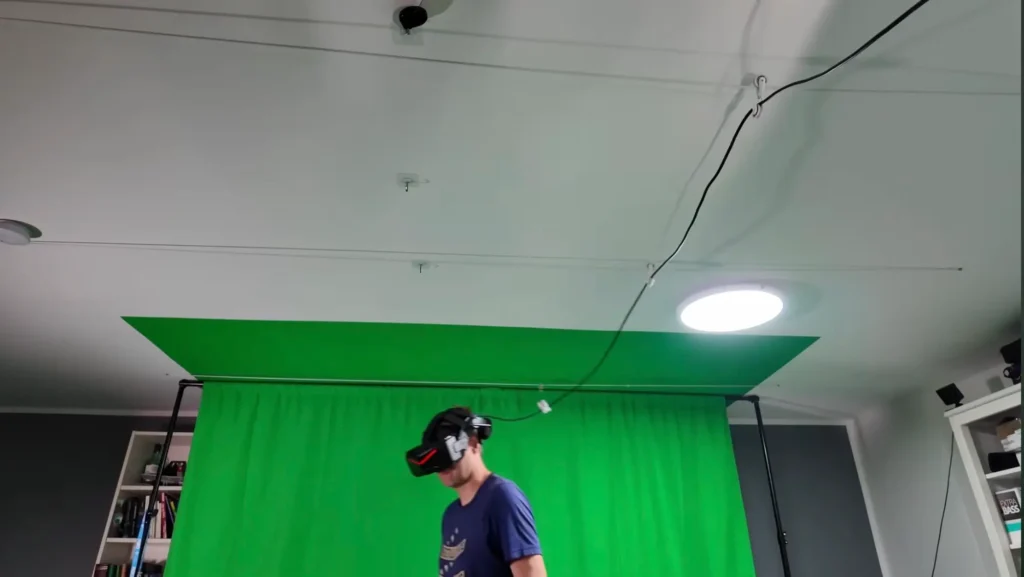
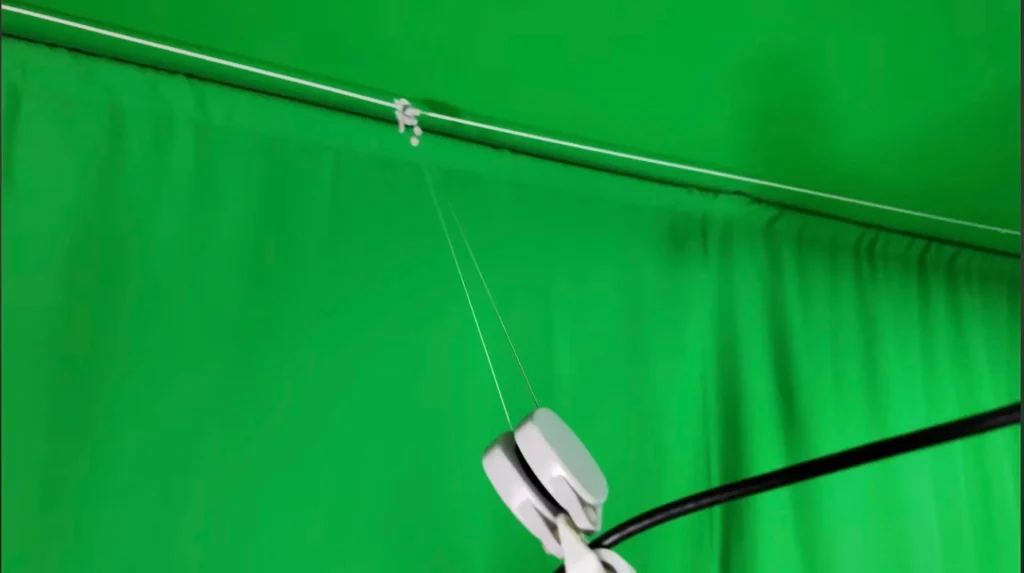
To make the cable as unobtrusive as possible, I’ve been using the VR Wire cable management system for years. For flight or racing simulators, a simple ceiling hook is often all you need. But as soon as I start moving freely around the room, VR Wire’s retractable pulley system makes a noticeable difference.
The only downside is that the original complete kit is no longer available. What I really appreciate, though, is that VR Wire has published a detailed DIY guide, allowing the community to recreate the system using standard off-the-shelf components. That’s not something every company would do.
Once the headset is comfortable to wear and the cable is barely noticeable, there’s one more thing that has become increasingly important to me—especially as a content creator: audio quality.
The ModMic Wireless Quietly Became a Permanent Part of My Setup
I’m still very happy with the Crystal Super’s DMAS speakers. The built-in microphone, however, was a different story. For streaming or voice recordings, the audio quality simply wasn’t good enough for my needs.
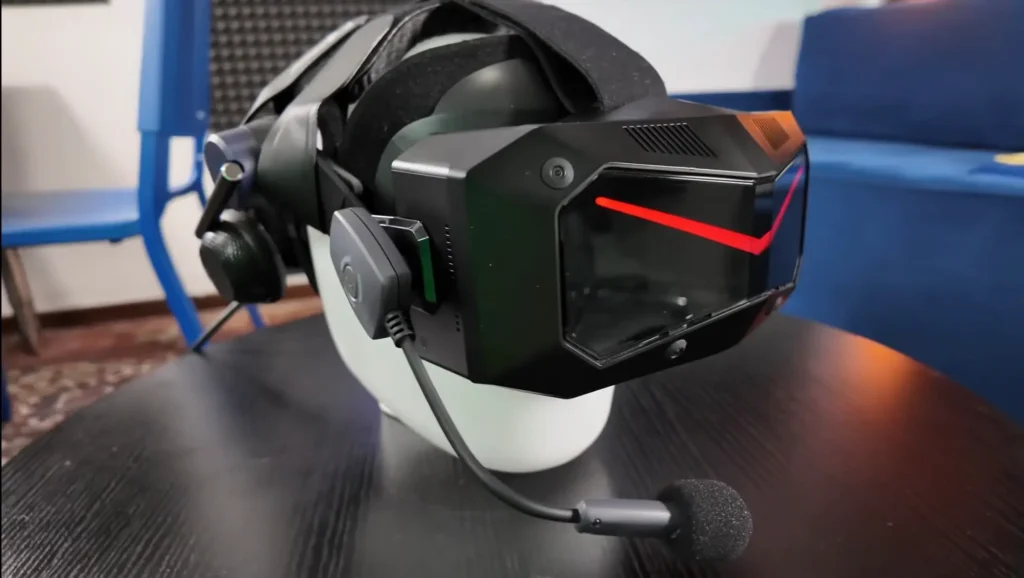
For a long time, I relied on the Rode Wireless GO II. It worked well overall, but in VR I’m constantly turning my head. That means the microphone is constantly changing its position, which directly affects the sound. The ModMic Wireless solves this problem in a very elegant way. It attaches magnetically to the headset, keeping the microphone at a consistent distance from my mouth at all times. Setup couldn’t be much easier: plug in the USB dongle, pair it, and you’re ready to go.
What I particularly like is that the ModMic isn’t tied to the Crystal Super. It works just as well with other VR headsets or even a regular pair of headphones. That makes it an investment that will likely stay with me through several future headset generations. My Rode Wireless GO II still gets plenty of use as well—but these days it’s mainly for interviews and recordings outside of VR.
Interestingly, neither the ModMic nor the cable management system was originally purchased specifically for the Crystal Super.
Accessories That Will Outlast Several Headset Generations
VR Wire and the ModMic have one thing in common: both have already been part of several different headset setups, and I expect they’ll continue to be useful for years to come.
The cable management system has been with me through the Valve Index, the Pimax Crystal, and now the Crystal Super. I see the ModMic the same way. As long as the built-in microphones on many VR headsets remain fairly average, I expect it to keep earning a place in my setup.
One accessory, however, came much later. It solved a problem that simply didn’t exist with earlier Pimax headsets.
More Freedom of Movement with a DIY Cable Extension
I can’t take credit for this upgrade—it was actually my colleague Reinhard who came up with the idea.
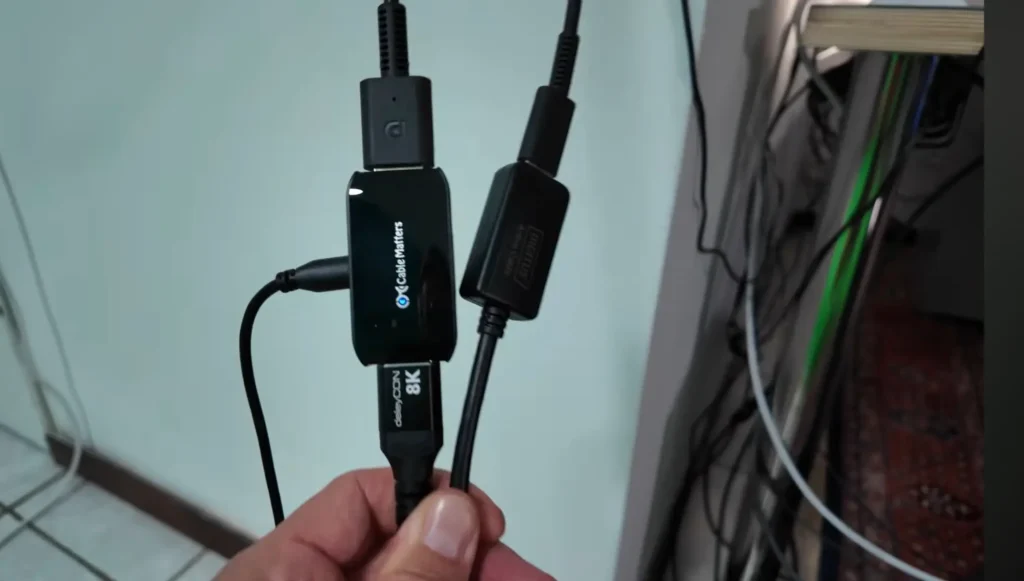
With the Crystal Super, Pimax made the headset cable slightly shorter than on previous models. For many users, that probably won’t matter at all. In my setup, however, it became a limitation when combined with my ceiling-mounted cable management system. Reinhard experimented with an active cable extension and demonstrated that the connection could be extended to more than nine meters without any issues. I recreated his setup and can confirm that it works reliably.
Admittedly, this isn’t the most elegant solution. It requires active signal amplification and its own power supply. In everyday use, though, it has been completely reliable and gives me back the freedom of movement I was used to.
That said, if I were starting from scratch today, I probably wouldn’t buy everything at once.
Which Upgrades I Would Buy First Today
My priorities would be pretty clear by now.
The first thing I’d buy again would be the comfort upgrades from Studioform. No other accessory has improved the wearing comfort of the Crystal Super as much for me. Right after that would come the ModMic Wireless. If you regularly create videos, stream, or spend a lot of time talking to other players, I think it’s an upgrade that’s well worth considering.
I would see VR Wire and the DIY cable extension as more optional additions. Their value depends a lot on the size of your play space and how much the cable actually gets in your way during everyday use.
Conclusion
After many months of use, my setup has changed surprisingly little. I’ve tried plenty of accessories over time, but many of them eventually disappeared from my desk. The ones that remain have earned their place through everyday use.
For me, that long-term setup comes down to three things: better comfort with Studioform Creative, improved audio with the ModMic Wireless, and a cable management system that makes wired PCVR much more enjoyable.
I’d be interested to hear which upgrades have become permanent parts of your own setup. Maybe you’re using some of the same accessories—or perhaps you’ve discovered something I haven’t come across yet.
Interested in the Pimax Crystal Super?
You´ll find all current Pimax headsets, optical engines, recommended accessories , and the latest product links in my Pimax Buying Guide.